Demolition might look straightforward from the outside, but anyone who has been involved in one knows it is far more complex than simply tearing something down. Whether you are removing a small structure, gutting an interior space, or preparing land for new construction, safety and planning are everything. A well-executed demolition sets the tone for the entire project that follows.
If you have been asking yourself how do you prepare for demolition safely or what are the steps in a demolition project, this guide walks you through the process from start to finish. Understanding each phase will help you avoid costly mistakes, stay compliant with regulations, and most importantly, keep everyone involved safe.
Understanding the Scope of Your Demolition Project
Every safe demolition project guide begins with a clear understanding of what needs to be done. Not all demolitions are the same. Some involve selective removal of walls or interiors, while others require full structural teardown.
The first step is identifying the type of demolition required. Interior demolition focuses on removing non-structural elements such as drywall, flooring, or fixtures. Structural demolition involves load-bearing components and requires a higher level of planning and expertise. Full demolition, where an entire building is taken down, involves even more coordination and regulatory oversight.
Defining the scope early allows you to plan resources, timelines, and safety measures more effectively. It also helps determine the type of equipment, crew size, and waste management strategy needed for the job.
What Permits Are Needed for Demolition
One of the most important questions to answer early on is what permits are needed for demolition. Skipping this step can lead to fines, delays, or even legal issues that halt your project entirely.
Permit requirements vary depending on your location, but most demolition projects require approval from local municipalities. These permits ensure that the demolition meets safety standards, zoning regulations, and environmental guidelines.
In many cases, you will also need inspections before demolition begins. These inspections may include structural assessments, environmental checks, and verification that utilities have been properly disconnected.
Some projects may require additional permits if hazardous materials are involved. For example, buildings constructed before certain years may contain asbestos or lead-based paint, both of which require specialized handling and removal procedures.
Working with a professional demolition contractor can simplify this process. They are typically familiar with local regulations and can help secure the necessary permits while ensuring everything is done correctly.
How Do You Prepare for Demolition Safely
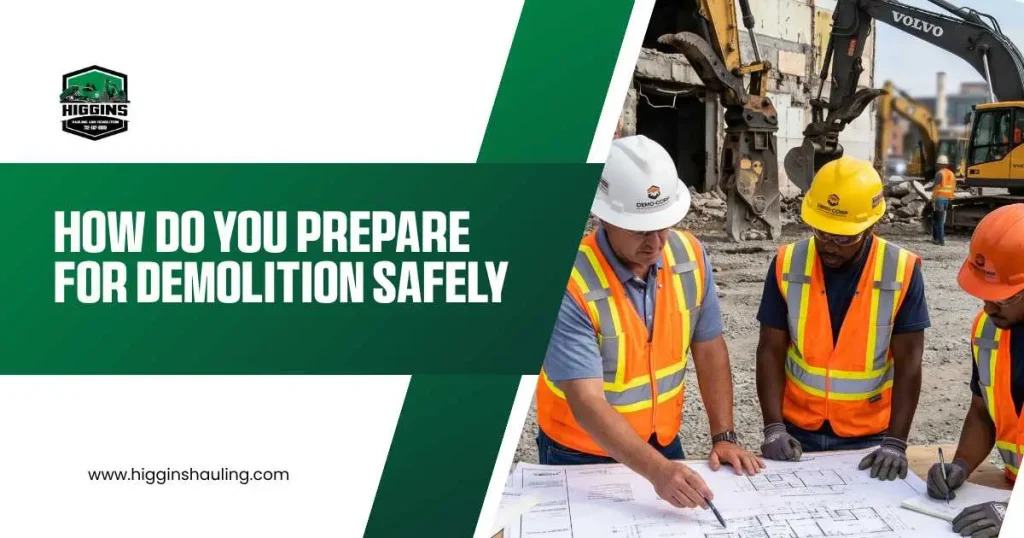
Preparation is the foundation of any successful demolition. If you are wondering how do you prepare for demolition safely, the answer lies in careful planning and risk assessment.
Before any physical work begins, the site must be thoroughly evaluated. This includes identifying potential hazards such as unstable structures, electrical systems, gas lines, and environmental risks. A detailed safety plan should be created to address these hazards and outline procedures for managing them.
Utility disconnection is another critical step. Electricity, gas, water, and sewer lines must be safely shut off and verified before demolition starts. Overlooking this step can result in serious accidents or damage.
Site preparation also involves securing the area. This may include installing barriers, signage, and protective measures to keep unauthorized individuals out of the demolition zone. For larger projects, traffic control and pedestrian safety plans may also be necessary.
In addition, proper equipment and protective gear should be in place. Workers need access to safety equipment such as helmets, gloves, eye protection, and respiratory gear when required. Ensuring that everyone on site understands safety protocols is essential for minimizing risk.
What Are the Steps in a Demolition Project
To fully understand what are the steps in a demolition project, it helps to look at the process as a series of coordinated phases rather than a single event.
The project typically begins with planning and assessment. This includes reviewing blueprints, conducting site inspections, and developing a demolition strategy that aligns with safety and regulatory requirements.
Once permits are secured and preparations are complete, the next phase involves disconnecting utilities and removing hazardous materials if present. This step is crucial for ensuring that the site is safe for demolition work.
After the site is cleared and secured, the actual demolition begins. Depending on the project, this may involve manual demolition, mechanical equipment, or a combination of both. The method used will depend on factors such as structure type, location, and surrounding environment.
As demolition progresses, debris management becomes a key focus. Materials must be sorted, removed, and disposed of properly. Recycling and waste reduction practices are often incorporated to minimize environmental impact.
The final phase involves site cleanup and inspection. Once the structure has been removed, the site is cleared of debris and prepared for the next stage of construction or development. A final inspection may be required to ensure compliance with local regulations.
Choosing the Right Demolition Method
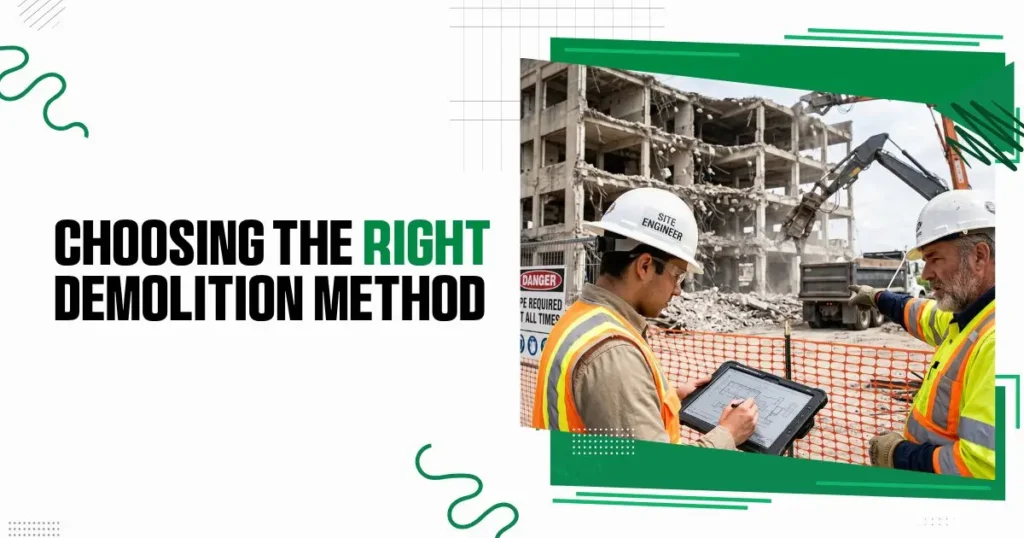
Not all demolition projects use the same approach. The method chosen can significantly impact safety, efficiency, and cost.
Manual demolition is often used for smaller projects or areas where precision is required. This method allows for careful removal of specific components without affecting surrounding structures.
Mechanical demolition involves the use of heavy equipment such as excavators and bulldozers. This is commonly used for larger structures and allows for faster completion.
In some cases, specialized techniques such as deconstruction are used. Deconstruction focuses on carefully dismantling structures to salvage materials for reuse. This approach is more time-intensive but offers environmental and cost benefits.
Selecting the right method is a key part of any safe demolition project guide and should be based on the specific needs of the project.
Managing Waste and Debris Effectively
Demolition generates a significant amount of waste, and managing it properly is essential for maintaining a safe and organized site.
Having a clear waste management plan in place ensures that debris is removed efficiently and disposed of responsibly. This includes separating materials that can be recycled, such as metal, wood, and concrete.
Using the right dumpster rental can make a major difference in how smoothly your project runs. Having a designated space for debris keeps the site clean, reduces hazards, and improves overall efficiency.
Proper disposal is not just about convenience. It is also about compliance with environmental regulations. Certain materials must be handled and disposed of according to specific guidelines to avoid penalties and protect the environment.
Common Safety Mistakes to Avoid
Even with a solid plan in place, certain mistakes can compromise the safety of a demolition project.
One of the most common issues is failing to conduct a thorough site assessment. Overlooking potential hazards can lead to accidents that could have been prevented with proper planning.
Another mistake is inadequate communication. Everyone involved in the project needs to understand their roles, responsibilities, and safety procedures. Clear communication helps prevent confusion and reduces the risk of errors.
Rushing the process is another risk factor. Demolition requires careful execution, and cutting corners can lead to serious consequences. Taking the time to follow each step properly ensures a safer and more successful outcome.
Why Professional Support Matters
While some smaller demolition projects may seem manageable, many situations require professional expertise. Demolition involves risks that go beyond what is visible on the surface.
Working with experienced professionals ensures that the project is handled safely, efficiently, and in compliance with regulations. They bring the knowledge, equipment, and processes needed to manage complex demolitions and unexpected challenges.
Final Thoughts
A successful demolition is not just about tearing down a structure. It is about doing so in a way that prioritizes safety, efficiency, and responsibility.
By understanding how to prepare for demolition safely, knowing what permits are needed for demolition, and following the proper steps, you can approach your project with confidence.
This safe demolition project guide is designed to give you a clear roadmap from planning to completion. When done right, demolition becomes a smooth and controlled process that sets the stage for whatever comes next.